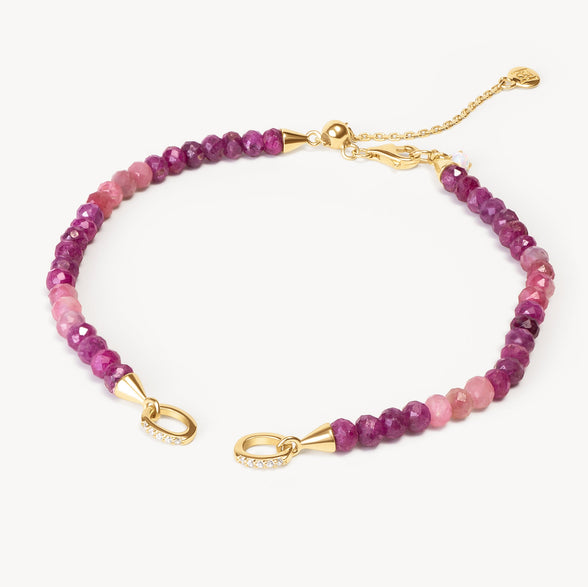
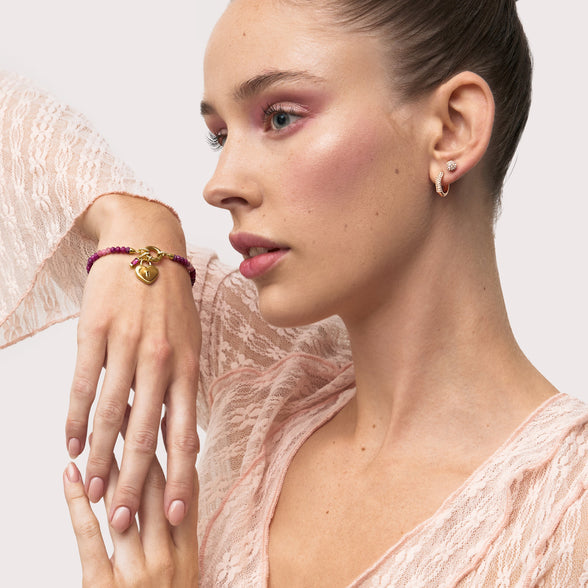
When it comes to jewelry, a picture really is worth a thousand words. The sparkle of a diamond, the smooth polish of silver, the warmth of gold—these details matter. They don’t just show what a piece looks like; they evoke a feeling. That’s why high-quality visuals are at the heart of everything we do. Before a piece ever makes it into your hands, it first steps into the spotlight—our studio.
Let us take you behind the scenes of how we bring our jewelry collections to life, frame by frame.
Where It All Begins: The Planning Process
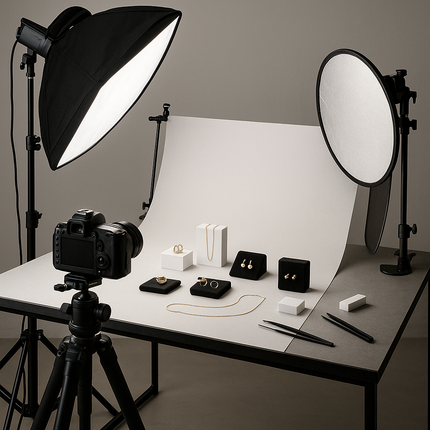
Every shoot starts long before the camera clicks. We begin with a concept—an idea of what we want this collection to feel like. Are we telling a story of quiet luxury? Bold confidence? Everyday elegance? From there, we build a mood board, a visual map made of color palettes, textures, lighting references, and inspiration images that guide the tone of the entire shoot.
Once the creative direction is clear, we plan the technical side. Lighting is everything in jewelry photography. It needs to be soft enough to avoid harsh reflections but strong enough to highlight every curve and cut. We experiment with light modifiers—diffusers, softboxes, reflectors—to find that perfect balance.
Props and surfaces come next. A minimal stone slab might set the stage for a modern collection, while antique linen and dried flowers can add romance to vintage-inspired designs. These small details help frame the jewelry in a world that feels authentic, aspirational, and deeply aligned with our brand.
Casting the Right Look: Models, Hands & Backdrops
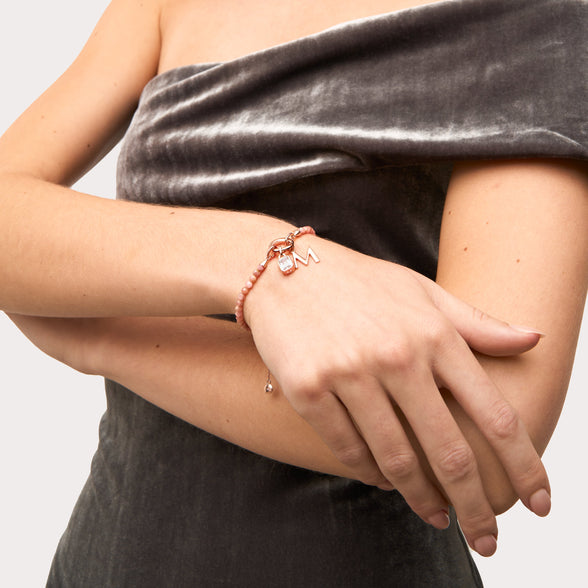
When we work with models or hand photography, our choices are intentional. We look for people who naturally complement the style of the collection—whether that means elegance, edge, or something soft and timeless. We’re not just looking for beauty; we’re looking for connection, mood, and movement.
We also pay close attention to backdrops and surfaces. A high-gloss white acrylic might give us that crisp, clean editorial vibe. A velvet fabric can create an atmosphere of luxury and softness. Each choice is carefully curated to ensure the jewelry remains the hero of the frame.
The Challenges of Shooting Jewelry
Jewelry is deceptively tricky to photograph. Shiny pieces reflect everything—the lights, the camera, even the photographer. One wrong angle, and a clean gold ring suddenly shows a warped reflection of the studio ceiling.
We’ve learned to get creative. Sometimes we use white cards to reflect soft light back onto the piece. Other times, we build small “tents” around the jewelry to minimize visual noise. Post-production helps refine the final image, but we always aim to get as much right in camera as possible.
Patience is key. Shooting a single necklace can take dozens of frames, slight tweaks to angle or lighting, and a whole lot of fine-tuning. But it’s all worth it when that one perfect shot emerges—where the metal glows, the stones catch the light just right, and the whole piece feels alive.
Why This Matters to Us
This process isn’t just about marketing. For us, it’s personal. Every shoot is a chance to honor the craftsmanship of our pieces and the story behind each design. We see jewelry as more than an accessory—it’s a reflection of identity, memory, and meaning.
By carefully curating how we present our collections, we stay true to our values: quality, authenticity, and intention. We want you to feel something when you look at our pieces—even before you try them on. Because when jewelry is captured with care, it doesn’t just shine—it speaks.
Thank you for being part of this journey with us. We can’t wait to share what’s coming next.
Buying fine jewelry is an exciting experience—whether you’re celebrating a milestone, treating yourself, or finding the perfect gift. But with all the sparkle and choice, it’s easy to get swept up and make a decision you might later regret. Fine jewelry is an investment, both emotionally and financially, so it’s worth taking the time to shop smart.
Here are the top five mistakes people often make when buying fine jewelry—and how you can avoid them.
1. Not Researching the Jeweler or Brand
Why it's a problem:Not all jewelers are created equal. Without proper research, you could end up overpaying, buying a lower-quality piece, or falling for misleading marketing.
How to avoid it:
- Look for transparency about materials, sourcing, and production.
- Read reviews and customer testimonials.
- Check if the brand offers certificates of authenticity or gemstone grading reports.
- A reputable jeweler will be happy to answer questions and provide information.
Tip: If something feels vague or too good to be true, trust your gut and keep looking.
2. Confusing Solid Gold with Gold-Plated Jewelry
Why it's a problem:Gold-plated jewelry is not the same as solid gold. While it’s more affordable, it has a thin layer of gold over a base metal and can wear off over time, especially with daily wear.
How to avoid it:
- Understand the difference:
-- Solid gold is made entirely of gold (e.g., 14k or 18k).
-- Gold-filled has a thicker gold layer than plated.
-- Gold-plated has the thinnest layer and wears fastest.
- Read product descriptions carefully. Look for karat markings (e.g., 14k, 18k, 22k) and ask questions if the listing isn’t clear.
Tip: If you’re buying a piece to wear every day or pass down, solid gold is worth the investment.
3. Ignoring Gemstone Quality and Certification
Why it's a problem:All gemstones are not equal—even if they look similar. Without proper certification, you might end up with a lower-grade or even synthetic stone, sold at a premium price.
How to avoid it:
- Learn the Four Cs for diamonds: Cut, Color, Clarity, Carat.
- Ask for a certificate from a trusted grading organization (e.g., GIA, AGS).
- For colored gemstones, ask about natural vs. lab-created origins, treatments, and clarity.
Tip: A good jeweler will provide clear details about a stone’s origin, quality, and any treatments it has undergone.
4. Overlooking Return Policies and Warranties
Why it's a problem:Even with the best intentions, things happen. A ring may not fit, a stone could loosen, or you might simply change your mind. Without a solid return policy or warranty, you're stuck.
How to avoid it:
- Always check the return window and conditions before purchasing.
- Ask whether resizing, repairs, or cleaning are included.
- Look for warranties that cover craftsmanship and materials.
Tip: Policies should be clearly stated and easy to understand. If they’re hidden in fine print or hard to find, proceed with caution.
5. Buying Based on Trends Instead of Personal Style
Why it's a problem:Trends come and go, but fine jewelry is meant to last. A piece that feels trendy today might not resonate with you in a year—or suit the recipient if it’s a gift.
How to avoid it:
- Think about what you (or the person you’re gifting) actually love—not just what’s popular.
- Consider lifestyle: Is this an everyday piece or for special occasions?
- Look at your existing jewelry or wardrobe for style cues—do you lean toward minimalist, vintage, bold, or romantic?
Tip: Choose pieces that reflect personality and taste. Timeless doesn’t mean boring—it means meaningful and wearable for years to come.
Smart Jewelry Shopping Starts with You
Fine jewelry should make you feel confident, celebrated, and connected—not second-guessing your choices. By avoiding these common mistakes and asking the right questions, you can make a purchase that truly lasts.
We believe in empowering our customers with knowledge and quality they can trust. Whether you’re buying your first fine piece or adding to a collection, we’re here to guide you every step of the way.
Ready to shop smart and shine bright?
Explore our collection with confidence. We're honored to be part of your story.
Keine Ergebnisse für "ring" gefunden. Überprüfen Sie die Rechtschreibung oder formulieren Sie Ihre Anfrage neu.